Distance Working Research by a BAUN Academic: Does Working from Home Facilitate Operations in the Public Sector?
Distance Working Research by a BAÜN Academic: Does Working from Home Facilitate Operations in the Public Sector?
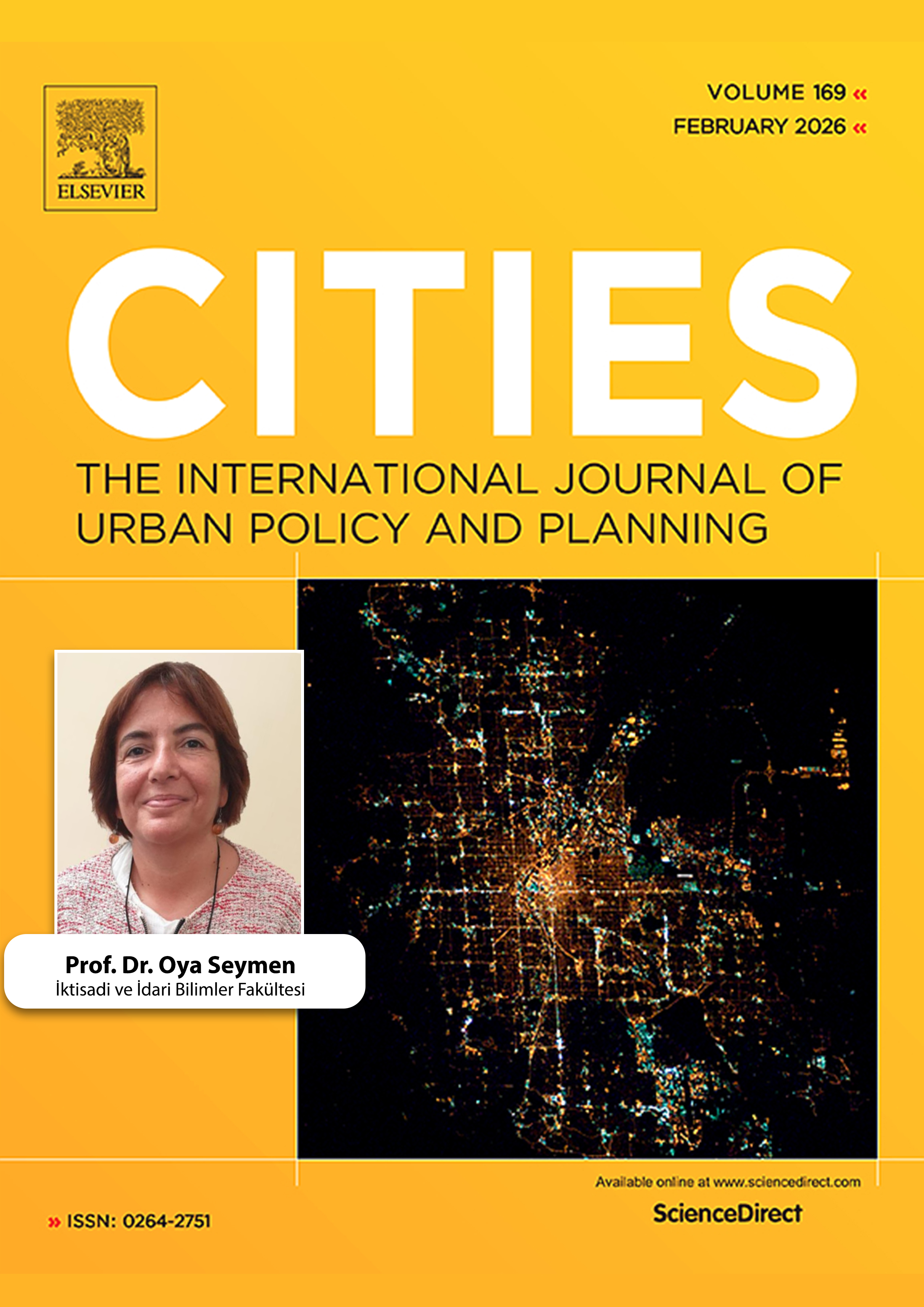
The study bearing the signatures of academics, including Prof. Dr. Oya Seymen from the Department of Business Administration at the Faculty of Economics and Administrative Sciences of Balıkesir University (BAÜN), comprehensively revealed the managerial effectiveness of remote working practices in public service organizations.
The study titled “Remote Work in Cities: Assessing the Effectiveness of Public Utility Services”, conducted by Prof. Dr. Oya Seymen from BAÜN together with academics from the University of Lodz—Aygun Kam, Justyna Trippner-Hrab, and Zbigniew Przygodzki—was published in Cities, a journal ranked in the top tier (SCImago-Q1) of international journal rankings.
Prof. Dr. Oya Seymen: “Remote Work Necessitates the Reconsideration of Management Models in Public Organizations”
Providing information about the study, Prof. Dr. Oya Seymen stated that the research was conducted to evaluate the managerial effectiveness of remote working practices in public service organizations. She emphasized that the rapid and compulsory transition to remote work during the COVID-19 pandemic made structural and managerial problems in public organizations more visible. Within the scope of the study, the effects of remote work on employee motivation, control mechanisms, relational capital, work–life balance, and team management were examined in detail.
Addressing the research findings, Prof. Dr. Seymen highlighted that remote working practices have not yet reached the desired level of effectiveness in public organizations. She noted that granting flexibility and autonomy plays a decisive role in increasing employee motivation, while control processes are mostly carried out through meetings and reporting. However, she added that managerial autonomy of teams remains limited, hierarchical approval mechanisms dominate decision-making processes, and remote work does not create the expected positive impact on work–life balance.
Article link: https://doi.org/10.1016/j.cities.2025.106167